
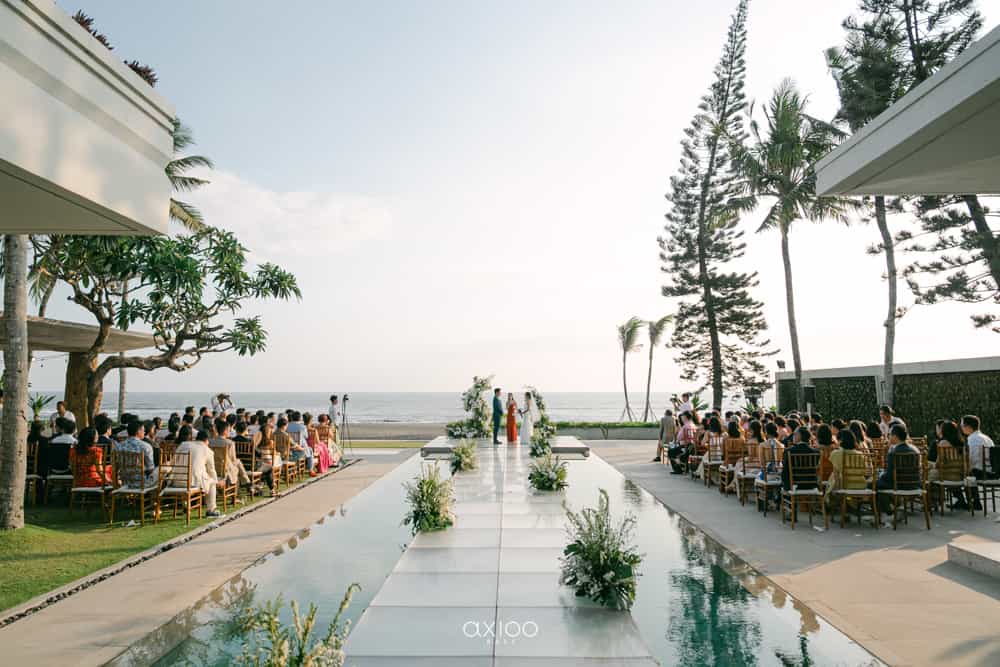
Planning a destination wedding sounds romantic for a reason. The idea of saying your vows on a tropical beach, in a historic European villa, or at a private mountain lodge feels more intimate and memorable than a traditional hometown celebration. But while destination weddings can sometimes be smaller and more manageable than local weddings, they are not automatically cheaper. In fact, many couples are surprised by how quickly costs can add up once travel, guest logistics, and vendor coordination enter the picture.
A destination wedding budget is different from a standard wedding budget because it combines event expenses with elements of travel planning. You are not only paying for the ceremony and reception. You may also need to think about transportation, accommodation, shipping, legal paperwork, vendor availability, weather backup plans, and guest communication. Even if you choose a package deal at a resort, there are often upgrades, service charges, and hidden fees that can increase the final total.
The good news is that destination weddings can still offer excellent value when approached strategically. Many couples save money by reducing guest count, choosing off-peak dates, or selecting all-inclusive venues. The key is understanding where the money usually goes before you commit to a location or a package. Once you know the common cost categories, it becomes much easier to build a realistic budget and avoid expensive surprises.
This article breaks down the most common destination wedding expenses, explains what couples should expect in each area, and offers practical tips for keeping costs under control without sacrificing the experience.
Venue and Ceremony Fees
The venue is often the foundation of the entire wedding budget. In a destination wedding, this cost may include more than just the ceremony space. Depending on the location, the venue fee might also cover the reception area, furniture, basic décor, setup and cleanup, staff coordination, and even a wedding package.
Resorts and hotels often market destination wedding packages that seem affordable at first glance. A package may start at a relatively low price, but it usually includes only the essentials, such as a basic ceremony setup, bouquet, officiant, and a small cake. Once couples begin customizing the event with upgraded flowers, better dining options, premium drinks, or professional photography, the price can increase significantly.
Private villas, boutique hotels, vineyards, castles, and beach clubs may charge separate fees for venue rental, ceremony setup, and reception use. Some locations also impose minimum stay requirements or room-block commitments, especially during high season. In many cases, couples should expect the venue category to take one of the largest shares of the budget.
Before booking, it is important to ask exactly what is included. A low venue fee may exclude lighting, sound equipment, chairs, tables, or weather backup options. On the other hand, a higher upfront package may actually deliver better value if it bundles several major services.
Travel and Accommodation
Travel costs are one of the biggest differences between a destination wedding and a local one. Couples often budget for their own flights and hotel stays, but many forget to include additional nights for setup, vendor meetings, legal appointments, or recovery after the event. A wedding that lasts one day can easily turn into a four- or five-day travel expense.
Some couples also choose to cover travel or accommodations for key guests such as parents, siblings, or the wedding party. This is not required, but it is common enough that it should be discussed early in the planning process. Covering even a few rooms at a luxury resort can noticeably increase the overall budget.
Accommodation expenses can vary dramatically depending on the destination. An all-inclusive Caribbean resort may simplify costs because meals and drinks are built into the room price. A wedding in Italy, Mexico, Greece, or Bali may offer a wider range of accommodation styles, but logistics can become more complex if guests are spread across different properties.
It is also worth considering airport transfers, local transportation, and guest shuttles. If the ceremony and reception are held in a remote area, transportation becomes more than a convenience. It becomes a necessity and an added line item.
Food and Beverage
Food and drink usually represent one of the largest per-guest expenses. In destination weddings, this category can either be very predictable or very flexible, depending on the venue structure. All-inclusive resorts often offer fixed menus and open-bar packages, which make planning easier. Independent venues may require fully customized catering, bartending, rentals, and staffing.
Couples should look carefully at whether pricing is listed per person or as a package total. Taxes and service charges can make a dramatic difference. In some destinations, the quoted menu price may increase substantially after mandatory fees are added. A dinner priced at $120 per guest can become much more expensive once gratuities, taxes, and venue commissions are included.
Another factor is the style of dining. A plated formal dinner often costs more than a buffet or family-style meal because it requires more staffing and coordination. Premium alcohol, signature cocktails, late-night snacks, and welcome party catering can all add to the food and beverage bill.
For couples planning a multi-day experience, hospitality events matter too. Welcome dinners, farewell brunches, poolside gatherings, and rehearsal meals may not seem essential at first, but they are common expectations for destination weddings and should be budgeted intentionally.
Photography and Videography
A destination wedding often takes place in a beautiful setting, which makes photography and videography feel even more important. These vendors are responsible not only for documenting the ceremony, but also for capturing the location, the atmosphere, and the experience of travel.
Some resorts include a basic photographer in their package, but the quality and coverage may be limited. Many couples prefer to hire their own professional, especially if they want a consistent style or a full-day package. If you bring a photographer or videographer from your home country, you may need to pay for their flights, accommodation, meals, and transportation in addition to their fee.
Hiring local professionals can reduce travel costs, but it may require more research, clear communication, and trust. Couples should review full galleries, not just highlight reels, and make sure the vendor understands the wedding schedule and expectations. It is also important to confirm delivery timelines and backup plans in case of illness or travel disruption.
Because destination weddings often involve scenic locations and smaller guest counts, many couples decide that strong visual documentation is worth prioritizing. Even so, this category can climb quickly when drone footage, extra hours, second shooters, and edited wedding films are added.
Attire, Beauty, and Styling
Wedding attire remains a major expense, regardless of where the event takes place. However, destination weddings may require extra thought around climate, packing, transportation, and wardrobe changes. A heavy formal gown may not be ideal for a beach ceremony in humid weather, while high-end European venues may inspire a more formal dress code.
In addition to the wedding dress or suit, couples may need welcome party outfits, rehearsal dinner attire, travel-friendly accessories, and backup shoes suited to sand, grass, or uneven terrain. Shipping attire or transporting it by plane can also involve garment bags, steaming services, and last-minute alterations.
Hair and makeup may be included in a venue package, but trials are not always possible in advance if the artist is local to the destination. Some couples fly in their preferred stylist, which increases the budget. Others book local beauty services and schedule them with limited testing time.
Styling costs can also include bridesmaid hair and makeup, grooming services, manicures, tanning, and skincare preparation. These smaller items are easy to overlook, yet together they can make a noticeable impact on the final spend.
Decor and Floral Design
One common misconception is that a naturally beautiful destination requires little to no décor. While a beach, garden, or cliffside venue certainly provides a strong backdrop, most weddings still need decorative elements to feel polished and intentional. Couples often want arches, ceremony florals, table centerpieces, candles, signage, linens, lounge furniture, or lighting installations.
Floral design costs vary widely by location. Imported flowers can be expensive, especially on islands or remote venues where supply chains are limited. Local seasonal flowers may be more affordable, but couples may need to compromise on specific floral varieties or color palettes.
Décor logistics can be complicated in destination weddings because rentals may need to be transported long distances. If the venue is remote, labor and delivery fees often rise. Weather also matters. Wind, heat, and humidity can affect floral durability, candle use, fabric choices, and setup timing.
Couples who want a luxury visual experience should pay close attention to this category. Décor can transform a space, but it can also become one of the easiest areas to overspend if the design vision is not aligned with the location and budget.
Planner and Coordination Services
A professional wedding planner is especially valuable for destination events. When couples are planning from another country or city, they cannot easily visit vendors, inspect spaces, or manage on-the-ground logistics themselves. A local planner or coordinator helps bridge that gap.
Planning services may include budget management, vendor sourcing, contract review, timeline creation, guest communication, legal guidance, design oversight, and event-day coordination. Some venues provide an in-house coordinator, but this person often focuses on venue logistics rather than advocating for the couple across every detail. That distinction is important.
A full-service planner costs more than a month-of coordinator, but for destination weddings the investment often prevents larger mistakes. Miscommunication with vendors, underestimated transport needs, and poorly timed schedules can become expensive quickly. A knowledgeable planner can also help couples avoid tourist pricing, negotiate packages, and identify realistic alternatives.
For couples organizing a wedding abroad without a planner, the time commitment is often much greater than expected. Even if the budget is tight, at minimum, day-of coordination is usually worth considering.
Legal and Administrative Costs
Many couples underestimate the paperwork involved in getting married in another destination. Depending on the country, legal marriage requirements may include translated documents, notarized records, blood tests, residency periods, official witnesses, or government filing fees. These rules can change, so it is critical to verify them with current local authorities or a specialist.
Because of this complexity, some couples choose to complete the legal marriage in their home country and hold a symbolic ceremony abroad. This often reduces stress, lowers paperwork costs, and avoids the risk of administrative delays. However, symbolic ceremonies may still involve officiant fees and ceremony planning costs.
Other administrative expenses may include marriage certificates, apostilles, permit fees for public beaches or historic sites, vendor insurance requirements, customs charges for shipped items, and foreign transaction fees. These are rarely glamorous expenses, but they are part of the real budget.
Entertainment and Guest Experience
Music, entertainment, and guest comfort shape how the wedding feels. A destination wedding may be smaller, but expectations around experience are often higher because guests have invested time and money to attend.
Entertainment expenses can include a DJ, live band, acoustic ceremony musicians, dancers, cultural performers, or sound equipment rentals. Some locations have noise restrictions or curfews that affect what kind of entertainment is possible. Others require couples to use approved in-house vendors.
Guest experience also includes welcome bags, printed itineraries, local gifts, group excursions, childcare, fans or blankets depending on climate, and post-wedding brunches. None of these are strictly required, but they are common enhancements that make the celebration feel thoughtful and complete.
Hidden Costs and Budget Buffer
Almost every destination wedding includes a few unexpected expenses. Exchange rate fluctuations, baggage fees, shipping delays, vendor meals, overtime charges, weather tent rentals, and last-minute transportation changes are all common examples. Small items such as tips, cake-cutting fees, corkage fees, and setup charges can also add up fast.
That is why couples should build a contingency fund into the budget from the beginning. A practical buffer helps absorb surprises without creating financial stress. Even a well-planned wedding benefits from extra room in the budget.
What Couples Should Expect Overall
The total cost of a destination wedding depends on the destination, guest count, venue type, and level of luxury. A small all-inclusive wedding with 20 to 30 guests may cost far less than a 100-guest event at a private venue abroad. In many cases, destination weddings save money only because they naturally reduce attendance. If the guest list remains large and the experience includes several hosted events, costs can rival or exceed a traditional wedding.
The smartest approach is to define priorities early. If the location matters most, simplify décor. If photography is essential, keep the menu modest. If guest experience is the priority, choose a venue with built-in convenience. A destination wedding can absolutely be magical and financially manageable, but only if couples understand that the cost is not just about the ceremony itself. It is about creating a full travel-based event with many moving parts.
When couples enter the planning process with realistic expectations, detailed research, and a flexible budget, they are far more likely to enjoy the experience rather than feel overwhelmed by it. The dream is still possible. It just works best when romance is paired with careful planning.