Greece epitomizes honeymoon romance through legendary sunsets, crystalline Mediterranean waters, ancient history woven into daily landscapes, and genuine Greek hospitality that transforms casual encounters into meaningful connections. Beyond the iconic Santorini sunsets and Mykonos beach clubs lies an extraordinary archipelago of hidden islands, secret beaches, and romantic villages where couples forge intimate memories far removed from tourist crowds. This comprehensive guide navigates Greece’s honeymoon landscape from legendary destinations to undiscovered gems, practical logistics, and strategic timing for optimal experiences.
The Iconic Pillars: Santorini and Mykonos
Santorini: Romance Personified Through Volcanic Drama
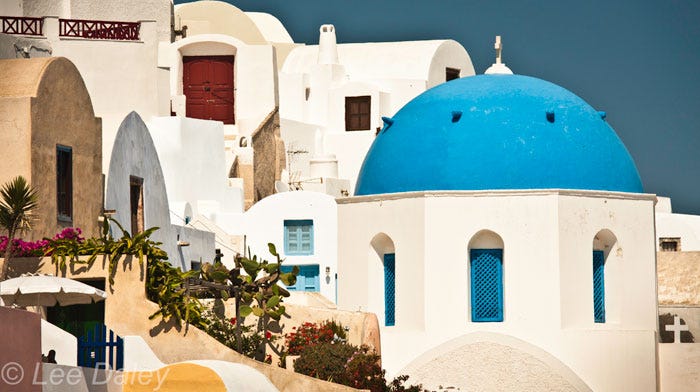
Santorini’s reputation as the world’s premier honeymoon destination rests on deserved foundations—the dramatic caldera with its 1,000-foot cliffs, whitewashed villages perched impossibly on clifftops, legendary sunsets that consistently defy photography, and volcanic thermal pools offering intimate bathing experiences amid breathtaking landscapes. The island’s singular landscape creates inherent romance requiring minimal enhancement.
However, Santorini’s popularity demands strategic planning. Peak season (July–August) transforms iconic viewpoints into overwhelming crowds; sunset viewing in Oia involves elbowing through thousands of tourists simultaneously. Honeymooners seeking intimate experiences should visit May–June or September–October, when romantic moments remain accessible without queuing for photographs.
Essential Santorini Experiences
The sunset hike from Fira to Oia along clifftop paths offers unparalleled vistas—walking against sunset crowds delivers solitude and stunning photography opportunities when most tourists congregate at commercial viewing platforms. Wine tasting at family vineyards like Argyrilos or Anastasia focuses on island-produced Assyrtiko wines paired with local cheeses and traditional meze—the cultural experience of learning winemaking through generational family knowledge surpasses commercial wine tours.
Swimming in the Bay of Ammoudi near Oia provides intimate cliff-base bathing accessible via narrow steps, rewarded by afternoon dining at waterfront tavernas like Dimitris, known for grilled sea creatures prepared before your eyes. The thermal pools at Amoudi Bay permit heated bathing surrounded by volcanic rock formations.
Accommodation strategy should prioritize Imerovigli over crowded Oia—the hilltop village offers identical sunset views from plunge pool suites at substantially lower prices with negligible crowds. Couples booking rooms with caldera-view balconies witness private sunsets while avoiding Oia’s commercial fervor.
Mykonos: Beach Luxury and Vibrant Sociability
While Santorini emphasizes dramatic landscape romance, Mykonos delivers beach culture, sophisticated dining, and lively nightlife appealing to younger, more social couples. The island boasts superior beaches compared to Santorini’s volcanic shores—golden-sand stretches at Psarou, Platis Gialos, and Paradise Beach enable swimming beyond Santorini’s muddy volcanic beaches.
Little Venice’s waterfront tavernas offer romantic harbor-view dinners, while charming neighborhoods near the windmill provide intimate exploration away from main thoroughfares. The island’s shopping scene and cosmopolitan restaurants attract couples seeking culinary sophistication and upscale browsing.
Santorini vs. Mykonos: Santorini wins for dramatic landscape romance and sunset experiences; Mykonos excels for beach activities, sophisticated dining, and vibrant social experiences. Honeymooners with 7–10 days benefit from 3 nights in each, capturing both distinct experiences.
Hidden Gems: Beyond Mainstream Tourism
The Cyclades archipelago extends far beyond famous islands, offering equally romantic alternatives with dramatically fewer crowds and often superior value.
Paros: Authentic Culture and Culinary Excellence
Paros balances accessibility (direct ferry connections from Athens) with authentic Cycladic charm—authentic villages, family-operated restaurants, and genuine local life minus the commercial tourism infrastructure dominating Santorini and Mykonos. The town of Parikia features narrow alleys, local bakeries, and family tavernas where visitors experience actual Greek community rather than tourist adaptations.
Why Couples Love Paros: The island offers diverse beach options from organized to secluded coves; excellent seafood restaurants operated by fishing families; local wine producers creating distinctive Parian wines; and UNESCO-designated marble quarries offering cultural exploration. Day trips to nearby Antiparos (10-minute ferry) discover sea caves and quieter beaches.
Naxos: Sandy Beaches and Mountain Traditions
Naxos distinguishes itself through golden-sand beaches (the Cyclades’ best) and mountainous interior preserving authentic Greek village traditions untouched by tourism infrastructure. The island’s Chora (capital) features whitewashed architecture converging to seafront positions, creating stunning views from offshore.
Couples enjoy exploring genuine villages like Filoti and Apeiranthos, touring local cheese and olive producers, and bathing on sandy beaches without Mykonos’s crowds or Santorini’s volcanic shores.
Sifnos: Gastronomic Excellence and Artistic Soul
Sifnos earns distinction as the Cyclades’ culinary capital, renowned for exceptional traditional restaurants, pottery traditions, and slower rhythms appealing to food-loving couples. The island draws artists and cultural enthusiasts rather than commercial party tourists.
Kastro, Sifnos represents the island’s romantic heart—a medieval village clinging to cliffsides with labyrinthine alleys, sea views from nearly every corner, and intimate tavernas featuring candlelit dinners in hidden courtyards.
Amorgos: Dramatic Cliffs and Monastic Serenity
Amorgos exemplifies Greece’s hidden romantic potential—dramatic 1,000-meter clifftops, crystalline waters, minimal tourism infrastructure, and atmospheric villages feeling untouched by commercial development. The island famously features in “The Big Blue” film, offering recognizable swimming locations with profound romantic resonance.
Why It’s Perfect for Couples: The island’s remoteness requires ferry dedication but rewards with solitude; the 11th-century Hozoviotissa Monastery perches impossibly on cliffsides offering spiritual contemplation; Chora (capital) ranks among Greece’s most atmospheric towns; hikers discover waterfalls, clifftop trails, and swimming coves accessible only by foot.
Sifnos, Syros, and Lemnos: The Cultured Alternatives
Sifnos combines refined culinary traditions with artistic communities, attracting couples prioritizing gastronomic experiences and cultural immersion over beach-party atmospheres.
Ano Syros perches above Syros’s capital with bohemian character, live rembetiko music in old tavernas, and sweeping sea views rewarding romantic evenings.
Lemnos represents authentic Greece—quiet, unspoiled beaches; traditional villages; local culture untouched by commercial tourism; and genuinely warm hospitality transcending transactional tourism interactions.
Crete: Diverse Experiences Within One Island
Crete’s immense size permits multiple experience types within single destinations, making it ideal for couples unable to decide between cultural immersion, beach relaxation, and mountain adventure.
Chania: Venetian Romance and Coastal Beauty
Chania’s old town preserves Venetian architecture, narrow streets, and genuine local life alongside tourist amenities. The harbor’s lighthouse at sunset creates iconic romantic imagery while remaining less congested than Santorini equivalents.
Day trips from Chania access Elafonissi Beach (discussed separately below) and Balos Lagoon, combining cultural exploration with beach experiences.
Plaka, Elounda, and Eastern Charm
Plaka neighborhood borders the Sea of Crete, enabling every meal to occur waterside—fresh seafood, authentic Greek cuisine, and genuine hospitality characterize these less-touristy coastal villages. Ostria taverna famously fillets whole sea bream tableside, transforming dinner into theatrical performance.
Kanali in Elounda earns distinction for salt-baked sea bass prepared tableside, representing the culmination of Mediterranean culinary romance—fresh ingredients, expert preparation, and waterfront ambiance combining into transcendent dining experiences.
Secret Beaches: Hidden Coves Beyond Crowds
Navagio Beach, Zakynthos: “Shipwreck Beach” Paradise
Zakynthos’s Navagio Beach, named the world’s most “paradise-like” beach, features an iconic shipwreck, spectacularly clear waters, and inaccessibility from shore making it genuinely remote. Reachable only by boat, the beach remains completely uncrowded despite its fame—an 80-minute speedboat journey from the nearest port ensures only committed couples arrive.
The iconic shipwreck combined with 800-meter cliffs creates cinematic backdrops; snorkeling reveals diverse marine life; and the boat journey itself becomes romantic adventure rather than logistics necessity.
Elafonissi Beach, Crete: Pink Sand and Lagoon Swimming
Elafonissi’s famous pink sand derives from crushed shells, varying in prominence by season and tide conditions—manage expectations while appreciating the genuine uniqueness. The crystal-clear lagoon waters remain shallow for extended distances, enabling intimate swimming without undertow concerns.
Visit early morning (arriving before 9 AM) or late afternoon (after 4 PM) when crowds disperse and sunset lighting transforms waters into otherworldly turquoise. The 3-kilometer proximity to Kedrodassus Beach provides escape routes if crowds overwhelm—fewer tourists discover this neighboring alternative offering identical beauty with solitude.
Seitan Limania Beach, Crete: Turquoise Waters and Dramatic Cliffs
This lesser-known northern beach combines turquoise Mediterranean waters, dramatic white-cliff backdrops, and remarkable emptiness despite accessibility. The geological formations create natural sculpture; swimming beneath clifftops generates profound awe; and minimal commercial infrastructure preserves authenticity.
Peroulades, Corfu: The “Invisible Beach”
Peroulades reveals itself only during low tide twice daily, creating the romantic intrigue of “invisible” beaches accessible only through timing synchronization. Navigating steep clifftop staircases adds adventure; the perched “Panorama” taverna above offers sunset views and fresh seafood.
Additional Hidden Gems: Listis Beach (Crete) features dramatic rocky formations and bandit-legend backstories; Trafoulas Beach’s gorge hiking adds adventure; Agios Pavlos combines sandy shores with hidden sea caves awaiting exploration.
Mainland Romance: Beyond Island Focus
Nafplio: Venetian Elegance on the Peloponnese
Often overshadowed by island tourism, Nafplio on the mainland offers Venetian architecture, seafront promenades, and neoclassical elegance within a car-free old town perfect for hand-in-hand wandering. The sunrise hike to Palamidi Fortress rewards with sweeping Argolic Gulf views; boat rides to the island fortress Bourtzi add adventure; rooftop cocktails overlooking the sea provide sophisticated romance without cruise-ship crowds.
The Mani Peninsula: Raw Beauty and Ancient Stone
The rugged Mani Peninsula encompasses dramatic limestone formations, traditional tower-house architecture, and isolation appealing to adventurous couples seeking wilderness romance. Kardamyli combines mountain-meets-sea scenery, traditional stone architecture, and genuine tranquility—kayaking through sea caves and hiking to old villages offers adventure within unspoiled contexts.
The village of Vatheia represents honeymoon daring—abandoned stone towers on hilltops, hauntingly beautiful cinematic landscapes, and total silence create otherworldly romantic atmospheres for bold couples willing to venture beyond conventional tourism infrastructure.
Milies, Pelion: Mountain Romance and Historic Trains
Pelion Peninsula combines mountain and sea, with Milies village exemplifying rustic charm—cobbled paths, chestnut trees, traditional mansions, and legendary atmosphere. The historic steam train winds through mountainous terrain; stone-built guesthouses with fireplace-lit nights provide intimate accommodation; hidden waterfall trails lead to secluded swimming.
Practical Honeymoon Logistics
Optimal Timing: Balancing Weather, Crowds, and Costs
Greece’s honeymoon season divides into distinct periods:
May–June (Ideal Shoulder Season): Temperatures average 68–75°F; minimal rainfall; crowds manageable but beaches warm and accessible; ferry services fully operational; accommodations discounted compared to peak season; cultural sites open and uncrowded. This window offers optimal weather-to-experience ratios—warm without extreme heat, sunny without July’s intensity, and peaceful without September’s school-holiday recovery patterns.
July–August (Peak Season): Temperatures peak at 91°F; intense sun; exceptional island accessibility; all restaurants and attractions open; beach warm and swimmable; crowds overwhelming particularly in Santorini, Mykonos, Ios; accommodations at premium pricing; popular restaurants requiring advance reservations or facing waits. Only choose these months if comfortable with crowds and prefer heat over crowd avoidance.
September–October (Extended Shoulder Season): Temperatures cool to 71°F; water remains warm; crowds dissipate as schools resume; accommodation prices drop; wine harvest festivals occur; exceptional cultural experiences possible with manageable crowds. September particularly suits wine-tasting couples; October works perfectly for cultural exploration and archaeological interest.
March–May (Spring): Pleasant temperatures; fewer tourists; some tourist infrastructure remains closed; countryside blooms with wildflowers; Orthodox Easter celebrations add cultural color. Early May works excellently; avoid March–April when some ferries run infrequently.
Island Ferries and Island Hopping Logistics
Ferry travel fundamentally shapes Greek honeymoon experiences—understanding routing, costs, and booking strategies directly impacts itinerary success.
Ferry Costs: Foot passenger tickets range €10–€40 per hour traveled—Athens–Santorini typically costs €50–€90 (10–5.5 hours depending on ferry speed); Athens–Crete €45–€90; inter-island transfers €6–€52 depending on distance. High-speed ferries cost 50–100% premium over conventional ferries but halve travel time.
Routing Challenges: Not all islands connect directly—ferry companies provide limited inter-island routes, requiring strategic planning around available departures. Crete, despite being Greece’s largest island, offers limited ferry connectivity from western ports; eastern Heraklion port provides superior Cyclades access.
Booking Strategy: Advance booking (2–3 weeks minimum, preferably 6 weeks for peak season) secures tickets and lower prices. Ferry schedules often force accommodation duration decisions—departing 5:30 AM versus 9:30 AM can mean 3 nights versus 6 nights stay differences requiring flexibility.
Platforms: Ferryhopper and Ferryscanner enable route comparison, price monitoring, and booking across multiple ferry companies, simplifying complex logistics.
Strategic Itineraries for Honeymooners
7–10 Days (Extended Weekend)
- 3 nights Athens (ancient sites, Plaka dining, Acropolis sunset)
- 4 nights Santorini (sunset viewing, wine tasting, cliff hiking, thermal pools)
- 3 nights Mykonos (beaches, shopping, nightlife) OR Paros (authentic villages, quieter vibes)
Total ferry cost: ~€200–€300 for 2 people; accommodation: €700–€1,400; dining/activities: €400–€600.
10–14 Days (Standard Honeymoon)
- 2 nights Athens
- 3 nights Santorini
- 2 nights Paros (quieter alternative) or Naxos (golden beaches)
- 3 nights Mykonos or Crete (Chania)
- Optional: Additional island based on routing
Total cost: €1,500–€2,500 (all expenses excluding international flights).
14+ Days (Immersive Exploration)
- 2 nights Athens
- 3 nights Santorini
- 3 nights Paros or Sifnos
- 3 nights Naxos or Amorgos
- 3+ nights Crete or Mykonos
- Optional: Mainland (Nafplio, Pelion) or additional islands
This itinerary enables genuine immersion in 4–5 destinations without exhausting ferry transitions.
Honeymoon Accommodation Strategy
Budget €80–€150/night for mid-range accommodations (which deliver exceptional value in Greece); €200–€400+ for luxury properties with private pools and caldera views. Many luxury properties offer complimentary breakfast spreads rivaling separate dining experiences.
Boutique hotels and villas provide more romantic intimacy than resort chains—properties like Katikies Hotel (Santorini), Myconian Kyma (Mykonos), and Rimondi Boutique Hotel (Crete) balance luxury with authentic Greek hospitality.
Dining Recommendations
Avoid tourist-zone restaurants near major attractions—venture into residential neighborhoods where locals dine for authentic cuisine at half the prices. Seafood prepared tableside (fish grilled before your eyes, octopus cleaned fresh) represents Greek dining at its finest. Pairing meals with local wines (Assyrtiko from Santorini, Parian varietals, Cretan reds) elevates experiences while supporting local producers.
Final Romance: Greece’s Enduring Appeal
Greece fundamentally represents honeymoon romance through its fusion of natural beauty, ancient history, culinary excellence, and genuine human warmth. Whether choosing Santorini’s legendary sunsets over volcanic cliffs, swimming at secret beaches accessible only by boat, exploring authentic villages where tourism hasn’t penetrated, or dining on fresh seafood overlooking Mediterranean vastness, Greece delivers transformative romantic experiences. The key to ideal Greek honeymoons lies in balancing iconic must-sees (Santorini deserves a visit for sunset viewing alone) with hidden alternatives (Paros, Sifnos, Amorgos) offering equally compelling experiences without overwhelming crowds. Travel during shoulder seasons (May–June or September–October) to enjoy warm weather, accessible infrastructure, and manageable visitor volumes. Embrace ferry logistics as part of the adventure rather than necessary inconvenience—island hopping represents the journey itself becoming romantic experience. Greece’s greatest honeymoon gift ultimately transcends spectacular scenery or excellent dining: it’s the persistent sense that you’re witnessing timeless Mediterranean romance unchanged across millennia, and becoming part of that eternal story yourselves.