
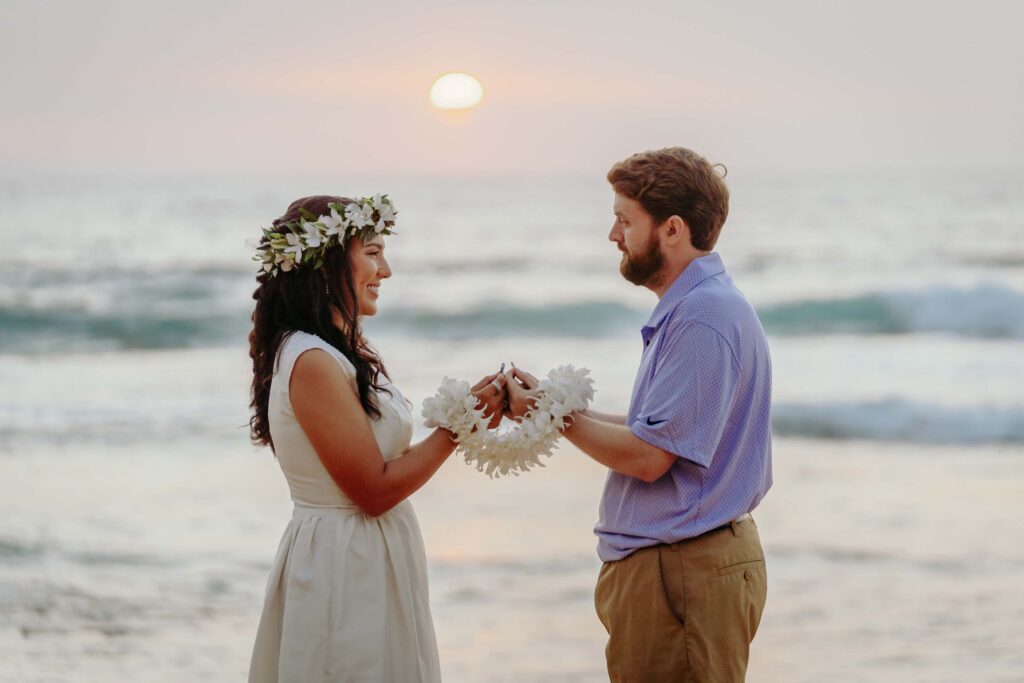
Choosing between a destination wedding and a traditional wedding is no longer just a style decision. For many couples, it is a financial, emotional, and logistical decision wrapped into one. A traditional wedding offers familiarity, easier planning, and greater convenience for guests. A destination wedding offers intimacy, scenery, and the feeling of turning the wedding into a shared travel experience. The question is not simply which one is cheaper. The real question is which one gives you more value for the money, effort, and expectations involved.
At first glance, many couples assume destination weddings are automatically more affordable because they tend to be smaller. That can be true, but it is not guaranteed. According to The Knot’s wedding studies, the average domestic destination wedding cost is $41,700 in one 2026 breakdown, while hometown weddings average $32,600; a 2025 destination-specific study puts domestic destination weddings at $39,000 and international destination weddings at $41,000. Those numbers show that destination weddings can be more expensive overall, even if the guest list is shorter.
Still, averages do not tell the whole story. A couple planning a 35-person beach wedding in Mexico may spend less than a couple hosting 140 people in their hometown ballroom. The Knot’s 2026 study found that weddings with 1 to 50 guests average $17,100, while weddings with over 100 guests average $43,300, which makes guest count one of the biggest cost drivers in either format. In practical terms, this means a destination wedding can absolutely be “worth it” if the location naturally reduces the guest list and keeps the event focused.
Cost differences
The biggest financial difference between the two wedding styles is where the money goes. Traditional weddings usually concentrate spending on the venue, catering, rentals, entertainment, and a larger guest count. The average reception venue cost is $12,900, catering averages $80 per person, alcohol averages $2,800, and flowers average $2,800 in The Knot’s 2026 study. Those costs scale quickly when more guests attend.
Destination weddings shift part of the budget into travel-related categories. Couples often pay more for accommodations, airfare, local transportation, planner support, and destination-specific vendor coordination. The Knot’s destination wedding study notes that travel expenses and accommodations are key reasons destination weddings often cost more than hometown celebrations. It also reports a higher average catering price of $114 per person for destination weddings, plus destination-specific averages such as $3,015 for photography and $2,972 for planning.
That does not mean destination weddings are always poor financial value. They can deliver a more immersive experience with fewer people, and all-inclusive resorts may bundle room stays, meals, drinks, and on-site coordination into a package that simplifies spending. The Knot specifically notes that all-inclusive resorts can help couples save because hotel rooms, meals, open bar options, group activities, and basic wedding inclusions may be folded into a broader package. For couples who care more about atmosphere than a huge reception, that bundled structure can feel more efficient than paying separately for every hometown vendor.
Guest experience
A traditional wedding is usually the easier option for guests. Family and friends may only need local transportation, one outfit, and a single day blocked on the calendar. That convenience often leads to higher attendance and less friction around RSVPs, especially for older relatives, families with children, or guests with limited travel budgets. If your top priority is having as many loved ones present as possible, a traditional wedding often wins on accessibility alone.
A destination wedding creates a different kind of guest experience. Instead of a one-day event, it often becomes a multi-day gathering with shared meals, excursions, and more time with the people who attend. The Knot reports that 18% of couples in its 2025 study considered their celebration a destination wedding, which suggests this format remains a meaningful and popular choice rather than a niche trend. For many couples, the value lies in quality time and intimacy rather than maximum attendance.
There is also a trade-off to acknowledge honestly. Guests usually spend more to attend a destination wedding, especially when flights, hotel stays, passports, childcare, or time off work are involved. The celebration may feel more special for those who go, but it may also exclude some people who would have attended a local event. So when couples ask which option is “worth it,” they should define whether worth means deeper connection with fewer guests or broader inclusion with fewer travel barriers.
Planning complexity
Traditional weddings are not simple, but they are generally easier to manage because the couple can visit venues, meet vendors in person, and solve problems locally. There is less uncertainty around legal paperwork, language barriers, weather backups in unfamiliar settings, and long-distance communication. That familiarity reduces planning stress, even if the guest list is large.
Destination weddings usually require more coordination, especially if they involve another country. The Knot found that 52% of couples planning domestic destination weddings and 74% of those planning international destination weddings hired a planner, compared with 32% of couples marrying in their hometown. That gap tells you something important: destination weddings often demand more professional help to manage logistics, vendors, and travel details.
For some couples, that complexity is worth it because the location itself becomes part of the wedding story. For others, it adds too many moving parts. If you are the kind of couple who values control, frequent in-person checks, and easier troubleshooting, a traditional wedding may feel far more manageable. If you prefer a curated experience in a beautiful place and are comfortable delegating to planners or resort coordinators, a destination wedding may feel like a better fit.
Emotional value
The “worth it” question is not purely about budget. It is also about emotional return. A traditional wedding often carries strong sentimental value because it happens close to home, includes more family traditions, and allows a broader circle of loved ones to participate. Parents, grandparents, childhood friends, and community connections are often easier to include in a local wedding. If the meaning of the day is tied to family presence and shared tradition, a hometown celebration may offer the strongest emotional payoff.
A destination wedding creates a different emotional atmosphere. It can feel more intentional, more private, and more memorable because everyone present has made a real effort to be there. The Knot’s destination study found that six in ten couples chose their destination because it was interesting or offered sightseeing, while just over half said the location was special to them as a couple. That suggests many destination weddings are valued not just for aesthetics, but for personal meaning.
This is why destination weddings often feel “worth it” to couples who prioritize shared experience over formal tradition. A cliffside ceremony, a small group dinner under the stars, or a weekend celebration in a meaningful place may feel richer than a larger, more conventional event back home. On the other hand, if a couple later regrets not having elderly relatives or a wider friend group present, the emotional balance may tilt back toward a traditional wedding.
Which one is worth it?
A destination wedding is usually worth it when a couple wants a smaller celebration, values travel and scenery, and is comfortable with some guests declining due to cost or logistics. It can also make sense when the reduced guest list offsets the higher per-person costs, or when an all-inclusive property keeps planning and budgeting more predictable. In that scenario, the couple is paying for a wedding and a meaningful experience at the same time.
A traditional wedding is usually worth it when guest accessibility matters most, when family participation is central to the celebration, or when the couple wants more control over vendors and logistics. It is often the better option for couples who want a bigger event, need easier planning, or prefer to spend on one major day rather than a travel-centered experience. Traditional weddings also tend to be the safer choice when family expectations are strong or when many guests would struggle to travel.
The most useful way to decide is to stop asking which format is better in the abstract and start asking what you want your money to buy. If you want convenience, inclusion, and tradition, the traditional wedding usually gives better value. If you want intimacy, scenery, and a multi-day shared experience, the destination wedding may be more worth it even at a higher average cost. Recent data makes one thing clear: destination weddings are not automatically cheaper, but they can still be the smarter choice for the right couple.