
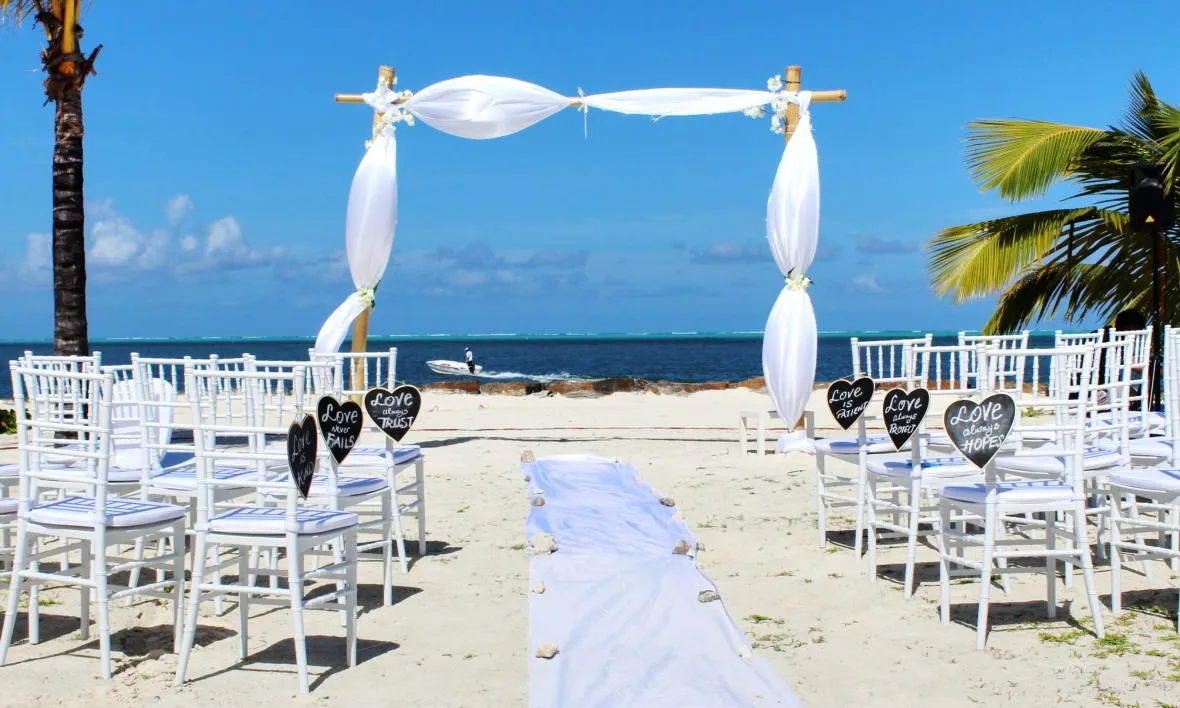
A destination wedding can feel like the perfect combination of celebration and travel. It offers beautiful scenery, a more intimate atmosphere, and the chance to turn a wedding into a full experience rather than a single-day event. For many couples, that is exactly the appeal. Instead of a traditional ballroom reception close to home, they imagine exchanging vows on a beach, at a vineyard, on a cliffside terrace, or in a historic city surrounded by their closest family and friends.
But destination weddings also come with a different kind of pressure. Planning any wedding is complicated, yet planning one from afar adds layers of logistics, communication, and uncertainty. Couples are not just organizing a ceremony and reception. They are coordinating travel, accommodations, schedules, local vendors, weather concerns, legal requirements, and guest expectations. That is why even very organized couples can make expensive or stressful mistakes during the process.
The good news is that most destination wedding problems are preventable. In many cases, the biggest issues come from unrealistic assumptions, rushed decisions, or poor communication rather than bad luck. When couples understand the most common planning mistakes in advance, they can make smarter choices, protect their budget, and create a smoother experience for everyone involved.
Below are the top mistakes couples make when planning a destination wedding and how to avoid them.
1. Assuming a Destination Wedding Will Automatically Be Cheaper
One of the most common mistakes is believing that a destination wedding always costs less than a traditional wedding. This idea usually comes from the assumption that fewer guests means a lower budget. While a smaller guest list can reduce some expenses, destination weddings often include costs that local weddings do not.
Travel, hotel stays, airport transfers, vendor transportation, shipping fees, welcome events, and legal paperwork can all increase the final bill. Even when a resort offers a wedding package that looks affordable at first, couples may later discover extra charges for upgraded décor, private receptions, premium food, additional photography hours, or outside vendors.
The better approach is to stop thinking in terms of “destination equals cheaper” and start thinking in terms of “destination equals different.” It may cost less, the same, or more depending on the guest count, location, and style of event.
2. Choosing the Location Before Setting a Real Budget
Many couples fall in love with a destination first and only then try to make the numbers work. They see stunning photos online, picture themselves getting married there, and move forward emotionally before understanding the actual cost. This can lead to budget strain, disappointing compromises, or a complete change of plan later.
A location that seems dream-worthy may involve expensive airfare, limited vendor options, costly permits, or peak-season hotel pricing. Even places that appear affordable can become expensive once private transportation, group meals, and logistics are added.
Before choosing the destination, couples should define a realistic total budget and decide what matters most. If scenery is the top priority, they may need to reduce décor. If guest comfort matters most, they may need to choose a destination with easier access and more hotel options. Budget should guide the location, not the other way around.
3. Ignoring Guest Travel Realities
Another major mistake is planning from the couple’s point of view only and forgetting how guests will experience the trip. A destination wedding may sound exciting, but attending one often requires significant money, time, and coordination. Flights, hotel stays, passports, childcare, and time off work can quickly become barriers.
Some couples assume that everyone they invite will be just as enthusiastic about the destination as they are. That usually leads to disappointment. Even people who care deeply about the couple may not be able to attend for financial, health, family, or work reasons.
This does not mean couples should avoid a destination wedding. It means they should be realistic about attendance. If having a large guest list is important, a faraway or expensive location may not be the best fit. If intimacy matters more than numbers, then lower attendance may actually support the vision.
4. Sending Invitations or Save-the-Dates Too Late
Timing matters much more with destination weddings than with local ones. Guests need time to request vacation days, compare flight prices, renew passports, arrange childcare, and budget for the trip. If couples wait too long to send save-the-dates, guests may already be committed to other plans or may face much higher travel costs.
Many destination weddings require communication much earlier than a traditional wedding. Guests need clear notice not only of the wedding date but also of the destination, airport details, suggested hotel options, and expected schedule.
Late communication creates stress for everyone. It can reduce attendance, complicate room booking, and lead to repeated questions that could have been avoided with better planning. Early and clear communication is one of the simplest ways to make the event easier for guests.
5. Underestimating the Importance of a Planner
Some couples think they can save money by skipping a planner, especially if the venue includes an on-site coordinator. This can work in limited situations, but it often creates unnecessary risk. Destination weddings involve local logistics that are much harder to manage from another city or country.
An in-house venue coordinator usually focuses on the venue’s operations, not every detail of the couple’s experience. That person may help with timelines and standard package elements, but they are not always there to advocate for the couple across all vendors, transportation issues, design questions, or unexpected problems.
A dedicated planner, especially one with destination experience, can help with contracts, communication, scheduling, local customs, and problem-solving. Couples who skip this support may save money at first but lose more later through mistakes, delays, or poor coordination.
6. Not Researching Legal Requirements
Many couples focus so much on the visual side of the wedding that they forget about the legal side. Getting legally married in another country is not always simple. Some destinations require translated documents, official witnesses, blood tests, waiting periods, notarized paperwork, or government filings.
Rules can also change, and what applied to another couple a year ago may not apply now. Assuming everything will be easy because a destination is popular for weddings can cause serious last-minute stress.
That is why many couples choose to complete the legal marriage in their home country and hold a symbolic ceremony abroad. This option may not feel as romantic on paper, but it often reduces paperwork, uncertainty, and legal complications. The emotional experience of the ceremony can still feel exactly the same.
7. Booking a Venue Without Understanding What Is Included
Packages can be helpful, but they can also be misleading if couples do not study the details carefully. A resort or venue may advertise a low wedding package price, yet that number may cover only a small ceremony setup and very basic inclusions. Couples then discover that nearly every meaningful upgrade costs extra.
Common add-on costs include better chairs, longer music coverage, upgraded floral design, private reception space, premium menu options, bar packages, lighting, transportation, and overtime fees. Suddenly the “great deal” no longer looks so affordable.
Before booking, couples should ask for a full itemized breakdown and confirm what is included, what is optional, and what is mandatory. They should also ask about taxes, service fees, gratuities, and vendor restrictions. Clarity upfront prevents expensive surprises later.
8. Trying to Control Every Detail From Afar
A destination wedding requires flexibility. Some couples struggle because they want to manage every element exactly as they would in their hometown. They want multiple in-person tastings, repeated site visits, endless revisions, and total control over every decorative detail. That level of control is often unrealistic when planning from a distance.
Remote planning usually means making decisions based on photos, video calls, digital mockups, and local recommendations. There may be fewer rental options, different floral availability, and different working styles depending on the destination.
Couples who try to force perfect control into an international or remote planning process often create more stress for themselves. It is usually better to focus on the big priorities, choose trusted professionals, and allow some details to be handled locally.
9. Forgetting About Weather and Seasonal Risks
Beautiful destinations are still subject to weather. Beach weddings can face wind, rain, intense heat, or humidity. Tropical locations may have hurricane seasons. Mountain destinations may bring cold nights, storms, or difficult transportation. Historic cities may become overcrowded during tourist peaks.
A common mistake is choosing a destination based only on social media images without understanding the real seasonal conditions. A location that looks perfect in one month may be uncomfortable or risky in another.
Couples should research local weather patterns, ask venues about backup plans, and understand what seasonal pricing means. A lower off-season rate may come with weather trade-offs. Saving money is helpful, but not if the ceremony ends up being constantly threatened by conditions that were predictable.
10. Overlooking Hidden Costs
Even well-planned destination weddings often include hidden expenses. Couples may remember the venue and hotel but forget smaller charges such as baggage fees, vendor meals, airport transfers, shipping costs, steaming garments, currency exchange fees, permit fees, corkage, setup charges, or tips.
Individually, these expenses may seem minor. Together, they can make a meaningful difference in the final budget. Hidden costs are especially frustrating because they often appear late in the planning process, when the couple feels financially committed and has little room to adjust.
A smart way to avoid this mistake is to create a budget buffer from the start. Instead of planning to spend every dollar, couples should keep extra funds available for changes and surprises. A realistic contingency amount can reduce stress and prevent resentment.
11. Expecting Guests to Treat the Trip Like a Vacation on the Couple’s Terms
Couples sometimes imagine that all guests will want to follow the same schedule, stay at the same hotel, and participate in every wedding-related activity. In reality, guests may have different budgets, travel styles, and energy levels. Some may want to explore independently. Others may attend only the wedding day events.
Problems can arise when couples become too controlling about where guests stay, how long they stay, or what activities they join. While some structure is useful, especially for transportation and event timing, too many expectations can make guests feel pressured rather than welcomed.
The better mindset is to provide helpful information and good options, then let guests make decisions that suit their needs. Hospitality matters, but so does respecting personal flexibility.
12. Prioritizing Instagram Over Experience
A destination wedding naturally invites visual ambition. Couples are often drawn to stunning backdrops, editorial-style décor, and highly curated moments. There is nothing wrong with wanting a beautiful wedding, but problems start when appearance becomes more important than comfort, timing, or emotional experience.
For example, a remote cliffside location may look incredible in photos but be difficult for elderly guests. A complicated floral installation may consume budget that would have been better spent on food, music, or transportation. A tightly choreographed schedule may leave no room to actually enjoy the day.
The most successful destination weddings usually balance beauty with practicality. Guests remember how the celebration felt, not just how it photographed.
The biggest mistake couples make when planning a destination wedding is assuming that romance alone will carry the event. A beautiful place helps, but it does not replace budgeting, logistics, communication, and thoughtful decision-making. Destination weddings are often incredibly rewarding, but they work best when the couple plans with both emotion and realism.
When couples choose the right destination, communicate early, stay flexible, and focus on the experience rather than perfection, they avoid most of the common pitfalls. The result is not just a wedding in a beautiful place. It is a celebration that actually feels joyful, manageable, and worth the journey.