
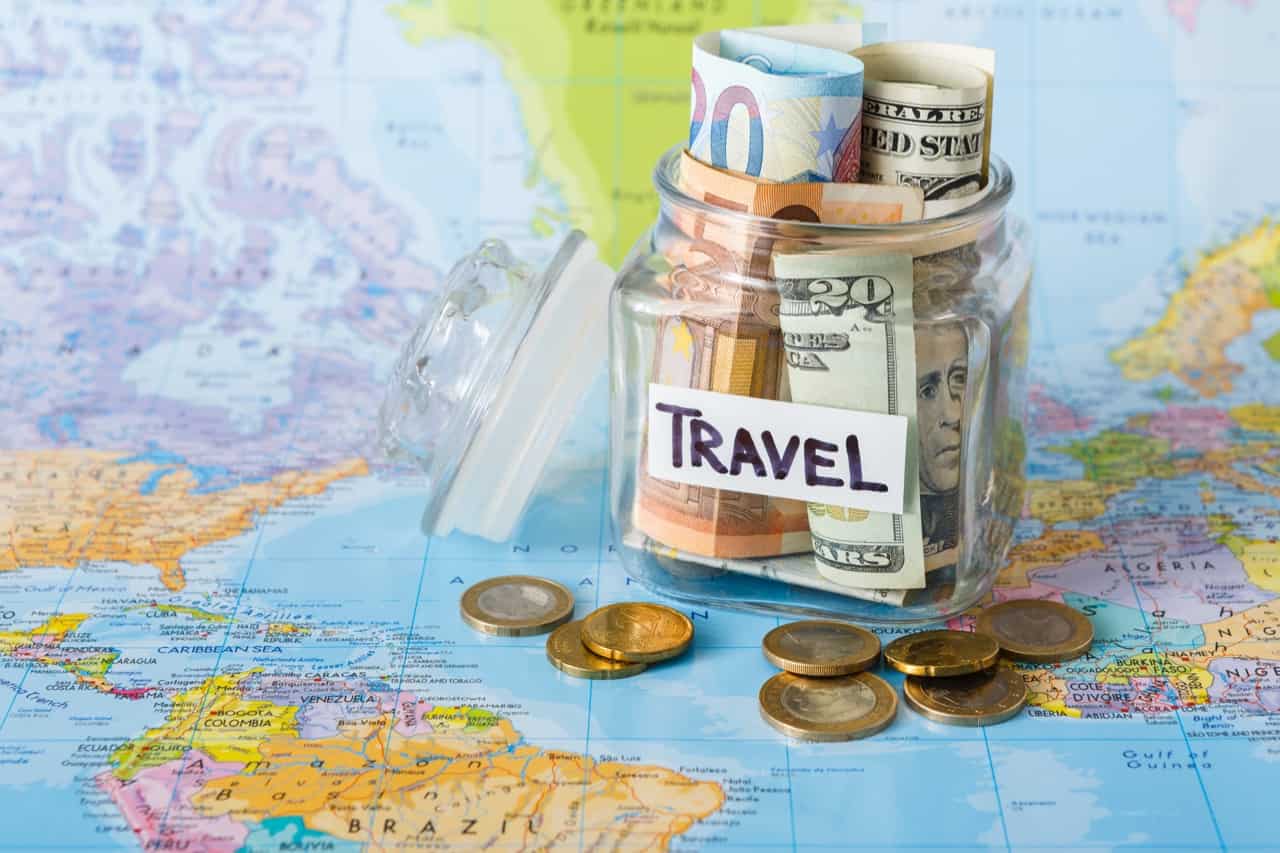
The persistent myth that meaningful travel requires substantial financial investment prevents millions from exploring the world. Reality contradicts this assumption entirely—the most transformative, authentic travel experiences often emerge not from luxury accommodations or guided tours, but from intentional choices prioritizing cultural immersion, meaningful connections, and strategic resource allocation. Budget travel doesn’t mandate sacrificing quality; rather, it demands redirecting spending toward experiences while eliminating status-symbol expenses. This comprehensive guide reveals strategies that fundamentally transform how travel spending translates into lasting memories.
The Budget Travel Philosophy: Prioritize Experiences Over Comfort
The foundational distinction between budget travel that feels restricted versus budget travel that enriches experiences lies in psychological framing. Successful budget travelers reframe resource constraints as creative freedom rather than deprivation, prioritizing authentic local engagement, cultural learning, and adventure over hotel thread counts or restaurant Michelin stars. This philosophy inherently generates superior travel experiences—cooking meals at markets with locals, staying in family guesthouses where hosts share stories, and exploring neighborhoods beyond tourist zones create memories far exceeding what luxury accommodations could offer.
Slow travel embodies this philosophy by reducing geographic ambition in favor of temporal immersion. Staying 2–4 weeks in single destinations rather than 2–3 days in multiple locations simultaneously reduces transportation costs (bus passes instead of multiple flights), facilitates discovery of neighborhood gems locals frequent, and enables meaningful relationships with places and people.
Free and Ultra-Low-Cost Accommodations
Traditional accommodation costs represent the single largest travel expense. Eliminating this through strategic alternatives multiplies remaining budgets for experiences.
Couchsurfing: Cultural Immersion Through Couch Hospitality
Couchsurfing connects travelers with locals willing to provide free couches in exchange for cultural exchange and genuine human connection. Success hinges on authentic profile development—hosts are motivated by meaningful connection rather than providing charity accommodation. Establishing community participation (hosting others in your home when possible) demonstrates trustworthiness and dramatically increases hosting likelihood. The greatest value transcends free sleeping: hosts provide insider knowledge about authentic neighborhoods, local restaurants, hidden attractions, and genuine cultural insights that guidebooks cannot offer.
Alternatives to Couchsurfing include BeWelcome, Global Freeloaders, Staydu, and SERVAS, each offering slightly different community cultures and host bases.
Work Exchange Programs: Purposeful Contribution and Free Lodging
Work exchanges enable travelers to trade 3–5 hours daily labor for free accommodations and meals while contributing meaningfully to hosts’ operations. Unlike casual volunteering feeling obligatory, successful work exchanges provide genuine purpose—helping sustainable farms, assisting with hostel operations, supporting social enterprises—while experiencing destinations through productive engagement rather than tourist passivity.
Worldpackers and Workaway represent the primary platforms, charging modest annual membership fees (typically $30–$50) that single nights of free accommodation justify immediately. Opportunities range from farm work to digital media assistance to child care, accommodating diverse skills and physical capabilities. The cultural immersion surpasses typical tourism—you experience daily rhythms, genuine interpersonal relationships, and purposeful contribution beyond extraction.
Housesitting: Stability, Routine, and Local Deep Dives
Housesitting provides free accommodations in exchange for caring for others’ homes, pets, and plants while owners travel. Unlike hourly work exchange demands, housesitting permits genuine settlement in neighborhoods, enabling unhurried exploration, local market shopping, and authentic daily rhythm immersion. The stability also psychologically shifts from “tourist” to “local” mentality, encouraging neighborhood discovery and genuine community participation.
TrustedHousesitters, Mind My House, and HouseCarers facilitate connections, typically requiring annual membership fees of $75–$150 that easily pay for themselves through even one or two free stays.
Home Exchanges: Mutual Benefit Without Hotel Bills
Home exchanges enable homeowners and renters to swap residences with counterparts elsewhere, eliminating accommodation costs entirely. While requiring advance planning and comfort with strangers accessing your space, successful exchanges provide not just free accommodations but residential authenticity—living in neighborhoods, accessing local kitchens for home cooking, and experiencing destinations through actual resident settings rather than tourist zones.
HomeExchange.com and Home for Exchange facilitate connections, requiring upfront membership investment offset by unlimited free stays.
Strategic Flight and Transportation Cost Reduction
Transportation represents the second-largest budget component after accommodations. Strategic booking and creative routing can reduce these expenses substantially while often delivering superior experiences.
Error Fares and Mistake Fares: The Holy Grail
Airlines occasionally price flights at 50–90% discounts due to human errors or technological glitches. These “mistake fares” represent real tickets airlines usually honor, creating extraordinary savings opportunities. A 2025 example: Norwegian error fares delivering NYC-to-Paris roundtrips at $150; ANA sales offering USA-to-Japan roundtrips for $300. Tracking communities like Secret Flying and premium services like Going and Scott’s Cheap Flights send real-time mistake fare alerts, enabling rapid booking before corrections occur.
Mistake fares rarely last beyond hours before airlines correct pricing—immediate booking is essential when identified.
Open-Jaw Flights: Maximize Routing, Minimize Backtracking
Flying into one city and departing from another eliminates wasteful backtracking while often costing less than round-trip equivalents. Multi-city search functions on Skyscanner and Google Flights reveal cost comparisons—frequently, building two one-way tickets when round-trip prices are high delivers savings of $200–$600 for identical destinations. A practical example: round-trip NYC to Rome costs ~$1,400, while NYC-to-Rome and Barcelona-to-NYC averages ~$900, with €80 train travel between them netting $600+ savings.
6-8 Week Booking Window
High-speed and premium cabin flights (business class) offer maximum discounts when booked 8–12 weeks in advance as airlines front-load availability. Standard economy flights show consistent pricing patterns—dramatic savings rarely materialize at the last minute despite common misconceptions. Setting price alerts across Google Flights, Skyscanner, and Kayak at the 8-week mark captures pricing trends, enabling strategic booking when target thresholds are reached.
Trains and Buses Over Flights for Regional Movement
Trains consistently outperform flights within Europe, Southeast Asia, and other established rail networks through faster combined transit-to-destination times (accounting for airport procedures and transfers), substantially lower costs ($15–$50 for regional trains vs. $150–$300+ for flights), and inherent travel experiences—observing landscapes, meeting fellow travelers, and moving between city centers rather than distant airports.
Overnight buses and trains multitask by combining transportation and sleeping, effectively doubling efficiency—you travel while sleeping, reducing accommodation costs. While comfort suffers compared to hotels, careful selection (premium overnight buses with bed-quality bunks) mitigates discomfort.
Free and Ultra-Low-Cost Activities and Experiences
Premium experiences that define successful travel rarely require payment beyond modest tips.
Free Walking Tours: Authentic Local Perspective at Tip Prices
Free walking tours, operating on “pay-what-you-want” tip models, provide outstanding value when led by passionate local guides. Curated city tours by knowledgeable locals—free if tip-free, exceptionally affordable if tipping reasonably—create immersive cultural foundations superior to paid tours focused on passenger volume rather than meaningful engagement. Cusco’s free walking tours include chocolate tastings and comprehensive historical context for tips typically €5–€15, compared to €50+ commercial tours. Premium experiences (horseback riding tours, specialized neighborhood deep-dives) remain affordable at €10–€20 tips despite expert-level guidance.
Walking tours accomplish multiple objectives simultaneously: orientation, historical learning, restaurant recommendations from locals, and cultural immersion—all at negligible costs.
Free Attractions and Natural Experiences
Most cities offer substantial free experiences beyond commercial attractions. Beaches, markets, parks, free-entry museums on designated days, self-guided historic district walks, sunset viewpoints, and neighborhood explorations cost nothing while often delivering richer experiences than paid alternatives. Museums in many European and Latin American cities offer free-entry evenings or days. Food markets provide sensory immersion and authentic local life observation surpassing any tourism experience.
Volunteering: Purpose-Driven Experiences
Beyond work exchanges, formal volunteering programs (conservation projects, community development initiatives, social enterprises) provide meaningful engagement, local connection, and affordable accommodations while contributing genuinely to community needs. While some volunteer programs charge placement fees, reputable organizations invest these fees into program quality and proper host vetting rather than administrative overhead.
Community Events and Local Participation
Engaging in local festivals, street fairs, athletic events, and community celebrations provides cultural immersion while typically costing nothing or minimal amounts. These events reveal genuine community character far beyond tourist performances—attending neighborhood celebrations, joining local game evenings at community centers, or participating in weekly markets integrates travelers into actual community life.
Eating Affordably While Eating Exceptionally
Food represents the second-largest discretionary expense after accommodations. Strategic choices yield extraordinary culinary experiences at 50–80% reductions compared to tourist-oriented dining.
Street Food and Markets: Authenticity at Minimal Cost
Street vendors and local markets consistently offer exceptional cuisine—often superior to commercial restaurants—at 70–90% price reductions. A Vang Vieng, Laos street dinner costs $1–$2; a Cusco, Peru market meal averages $2–$3; a Barcelona market seafood paella exceeds restaurant versions while costing €6 versus €25+. Markets deliver authenticity, support local vendors directly, and enable observation of actual local dietary habits rather than tourist-adapted cuisine.
Self-Catering When Kitchen Access Exists
When accommodations include kitchens—work exchange residences, apartment rentals, hostels with communal kitchens—purchasing from local markets and preparing meals generates extraordinary savings while enabling socialization (many backpackers cook communally, creating natural friendships). A €30 restaurant dinner easily becomes a €5–€8 grocery shopping adventure yielding multiple meals, with surplus supporting continued travel.
Menu del Día and Local Specials
Throughout Mediterranean Europe, the “menu del día” (daily menu) or local lunch specials offer 50% reductions compared to dinner pricing identical meals. Dining at midday instead of evening, eating the main meal then lighter breakfasts and snacks, reduces costs substantially while aligning with healthy rhythms.
Local Restaurants Over Tourist Zones
Restaurants outside primary tourist areas consistently cost 40–70% less while offering superior food and genuine local patronage. Asking guesthouse owners, fellow travelers, and local workers for recommendations invariably leads to neighborhood gems tourists never discover. The simple fact that locals frequent these establishments guarantees value—locals won’t patronize mediocre restaurants—making them safe recommendations for quality experiences.
Strategic Destination Selection: Maximum Experience Per Dollar
Destination selection fundamentally determines achievable experience quality within fixed budgets. Certain destinations deliver luxury experiences at budget prices through favorable currency exchange rates and lower costs of living.
Southeast Asia: Luxury at Budget Prices
Thailand, Laos, Cambodia, and Vietnam consistently rank among world’s cheapest travel destinations while maintaining high experience quality. Vang Vieng, Laos offers daily total costs averaging $15–$25, with beach bungalows at under $20 nightly and full meals at $1–$3. Thailand’s Koh Chang matches this affordability—accommodation under $20, street food $1–$2, activities $6–$15. Despite minimal daily spending, these destinations offer world-class experiences: diving, hiking, spa treatments at €3–€8 (compared to €50–€100 in developed nations), and spiritual immersion.
Central and Eastern Europe: European Experience at Asian Prices
Budapest, Prague, Bucharest, and Sofia deliver European cultural richness—museums, theaters, architecture, dining—at 50–70% lower costs than Western European counterparts. Budapest’s thermal baths, parliamentary buildings, Danube river experiences average $55–$88 daily costs covering quality accommodations, meals, and attractions. Romania offers similar value with unique historical depth, mountains, and Transylvanian charm.
Latin America: Diverse Experience at Exceptional Value
Mexico’s Yucatán Peninsula, Peru’s Andean regions, and Colombia’s Pacific coast deliver archaeology, adventure, and natural wonder at modest daily costs. Bacalar, Mexico offers lagoon views, $10 dorm accommodations, $1 street tacos, and adventures ($8 Mayan ruins, ~$55 boat tours) totaling $25–$40 daily. Cusco, Peru combines archaeological density with free walking tours, market dining, and cultural immersion at similar daily budgets.
Shoulder Seasons: 40–60% Cost Reductions
Traveling during shoulder seasons (April–May, September–October for Northern Hemisphere; October–November, March–April for Southern Hemisphere) delivers identical experiences at 30–50% accommodation cost reductions, eliminated crowds, and more favorable weather than peak seasons. Easter travel to Europe costs 60% less in April-early May than June-August, with superior weather and negligible crowds.
Advanced Booking Strategies and Deal Hunting
Flexible Dates and Nearby Airport Optimization
Comparing 5–7 date combinations reveals dramatic pricing variations—some dates cost 50% more than alternatives mere days away. Searching ±3 days across Google Flights simultaneously reveals price patterns enabling strategic date selection. Similarly, comparing alternative airports (often 1–2 hours from primary destinations) frequently yields $100–$400 savings on international flights.
Nearby-airport ground costs must be calculated into total fare math, however—$300 flight savings evaporates if requiring $150 ground transportation and 4 hours additional travel.
Refundable Bookings with 72-Hour Repricing
Booking refundable hotel rates enables costless rebooking when lower prices emerge within 72 hours of arrival—many hotels reprice aggressively during cancellation rollback periods. Calling accommodations directly when lower online rates appear sometimes yields matches or upgrades rather than forcing rebooking.
Price Alerts and Strategic Monitoring
Maintaining price alerts across multiple platforms (Google Flights, Kayak, Skyscanner) at varied date ranges—broad ±3 day windows alongside fixed dates—captures pricing trends and flash sales. Interpreting signals requires patience: steady price declines signal imminent purchase windows; sudden single-day drops indicate possible error fares warranting immediate booking verification.
Practical Implementation Framework
Plan 4–6 Months Ahead for Optimal Booking Timing
International flight prices follow consistent patterns—3–8 month advance bookings capture lowest prices for standard economy, while 2–6 weeks before departure shows only occasional deals in premium cabins or specific routes. Setting initial price alerts at the 6-month mark establishes baseline expectations.
Choose Longer Destination Stays
Longer stays (3–4 weeks minimum in single regions rather than 2–3 day rotations) reduce transportation costs, enable weekly transit passes offering 30–40% savings versus daily tickets, and facilitate genuine cultural immersion and local friendships. Extended stays also enable negotiating weekly/monthly accommodation discounts.
Embrace Spontaneity Within Financial Frameworks
Successful budget travelers maintain fixed daily budgets while permitting flexible itinerary adjustments—discovering unexpectedly extraordinary places justifies extending stays, while underperforming destinations warrant departure, entirely managed within predetermined spending limits.
Document and Share Discoveries
Maintaining detailed records of discoveries, restaurant recommendations, neighborhood gems, and local connections creates personal guidebooks valuable for future travel and enriching for fellow travelers when shared.
The Genuine Truth About Budget Travel
Budget travel restrictions aren’t limitations but rather liberations from conventional tourism patterns—checklist mentality, tourist-trap dining, commercial tour participation, and rushed itineraries. Financially constrained travel inherently prioritizes authentic engagement, slow immersion, and meaningful connection. Some of the world’s most transformative travel experiences emerge from hostels’ communal kitchens where backpackers from thirty nations collaborate on meals, free walking tours where passionate locals share genuine historical narratives, work exchanges contributing to meaningful community projects, and wandering unmarked neighborhood streets discovering family restaurants where you’re the only tourist. These experiences cost nothing or near-nothing while creating lifetime memories exceeding what luxury accommodations could provide.
The choice between budget and luxury travel fundamentally reflects priorities: whether perceiving travel as status acquisition and comfort maximization versus learning, connection, and experience prioritization. The irony: the second perspective generates superior memories at superior cost-efficiency.
With intentional choices prioritizing experiences, strategic booking capturing substantial savings, destination selection focusing on unfavorable currency exchange rates working advantageously, and embracing the slow-travel philosophy, meaningful global exploration becomes accessible regardless of financial circumstances. The world’s greatest travel experiences await those willing to invest time rather than excess capital—and often discover they wouldn’t trade these experiences for any luxury resort suite.